
Get Your Free Cash Offer Now!
Fill out this form to get your no-obligation all cash offer started!
"*" indicates required fields
The Ohio Probate Timeline, Phase by Phase
When a will leaves a house to multiple heirs in equal shares, each heir becomes a co-owner — typically a tenant in common — of the property at the moment the title transfers. Each co-owner has an undivided ownership interest. No single sibling can sell the house unilaterally. Either all co-owners must agree, or the Ohio probate court (under ORC § 2127, sale of lands) or a court of common pleas (in a partition action) must order the sale.
This is the legal reality every group of co-inheriting siblings runs into. If one sibling refuses to sign a listing agreement or a deed at closing, the sale cannot proceed without going through additional court process. The good news: Ohio law does not leave the cooperating siblings stuck indefinitely. A partition action — filed in the county court of common pleas — gives any co-owner the right to ask the court to either physically divide the property (impractical for a single home) or order the property sold and the proceeds divided among the co-owners. Partition is not the first step anyone wants to take, but its existence in Ohio law is part of why a written offer often resolves the situation before it becomes necessary.
Why Sibling Disagreement Is Almost Always About Something Else
Most sibling stalemates over an inherited Ohio home are not actually about the house. They are about everything the house represents — the parent who is gone, the childhood that ended somewhere in those rooms, the role each sibling played in the family. The sibling who wants to keep the property is often the one who needs more time to grieve before they can imagine the house belonging to someone else. The sibling who wants to sell quickly is often the one who has already done their grieving privately and needs to close the chapter administratively. Neither sibling is wrong. They are at different points in the same emotional process.
Research published through the National Institutes of Health on grief and executive function documents that significant loss — including the death of a parent — actively impairs the cognitive processes responsible for decision-making, planning, and engaging with complex multi-step administrative tasks. The sibling who is dragging their feet on the inherited house is not being lazy or irrational. They are in an earlier phase of the same loss the other siblings are processing too.
Arguments about "the math" rarely move a resistant sibling, because the resistance is not arithmetic. What does move the conversation is a specific written number that converts the question "what should we do with the house?" into the question "do we accept this specific offer, yes or no?"
Can the House Be Sold Before Probate Closes? Yes.
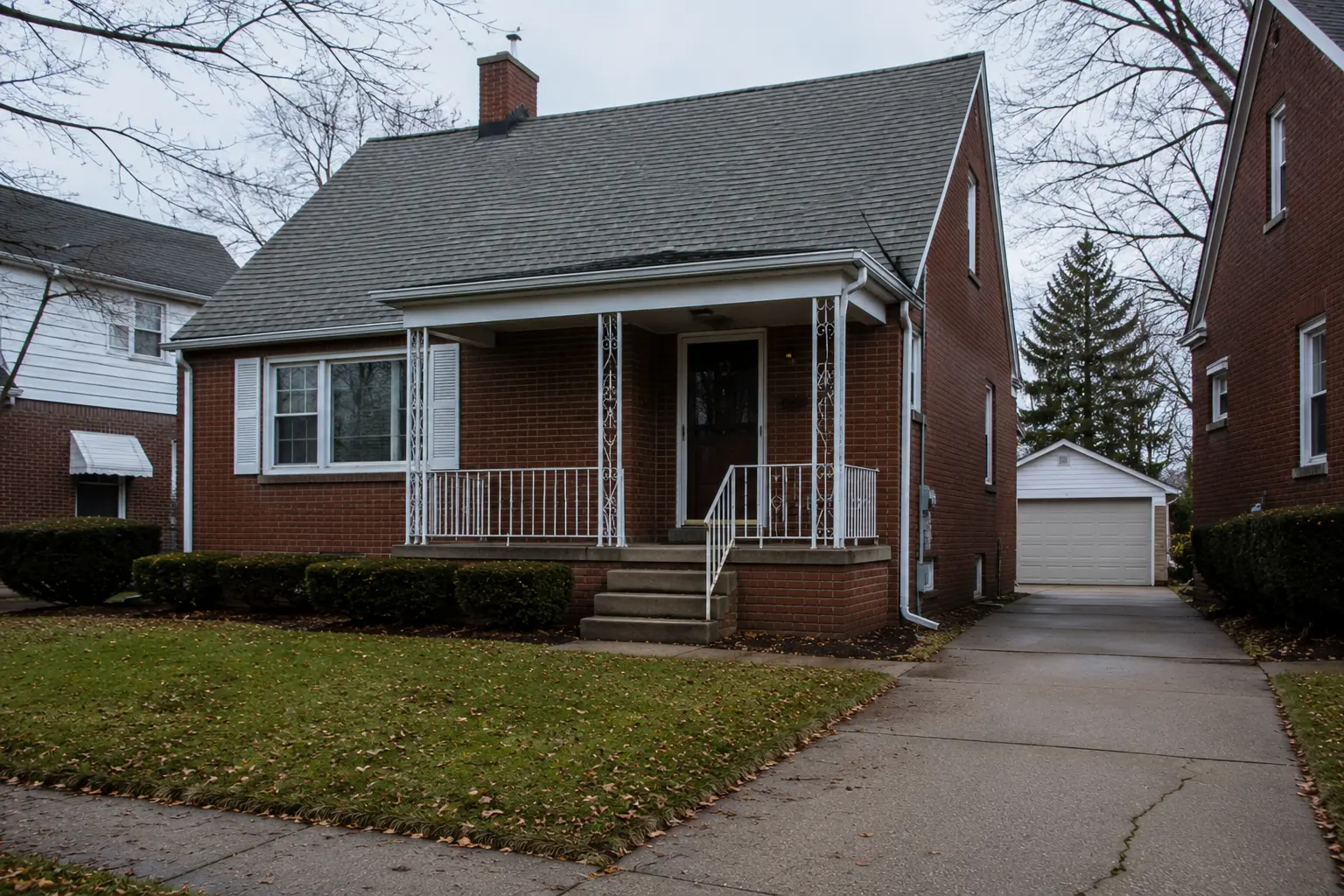
This is the part most Ohio heirs do not realize until they ask: you do not have to wait until probate is closed to sell the inherited house. Under ORC § 2113, an executor with the power of sale (granted by the will, or by court order under ORC § 2127 if the will is silent) can sell estate real property during the probate process. The proceeds go into the estate account and are distributed at the end of probate per the will and the final court order.
In practice, this means the house can usually close well inside the 6-to-12 month probate window. The executor needs the court-issued Letters and either the will's grant of power of sale or a separate court approval, but the rest of the transaction is a normal Ohio real estate closing. Title companies handle estate sales regularly and know the documentation required.
What Sellers in Cleveland Say About Honest Offer Homes

"I needed to sell fast, and they made it simple."
I relocated for work and didn't want to list it. Honest Offer Homes closed quickly and handled everything.

Sarah R., Cleveland

Mike L., Cleveland
"They gave me a fair offer for my rental."
Tenants left the place in bad shape. I didn't have time or money to fix it. They still bought it fast.

Denise T., Cleveland
I inherited a house I didn't want. They were professional and easy to work with.
I inherited a house I didn't want. They were professional and easy to work with.
How a Cash Sale Fits the Ohio Probate Timeline
If the will names a single executor and grants the power of sale, ORC § 2113 gives that executor the authority to sell estate real property without requiring every beneficiary to sign the deed. The executor signs as fiduciary for the estate, the sale closes, and the proceeds are distributed per the will at the end of probate. Beneficiary signatures on the closing documents are not required when the executor has the power of sale.
This matters when one sibling has gone silent — moved, stopped responding to calls, or actively refused to engage. The executor can still move forward. A probate attorney can advise on the specific filings and notices required to demonstrate the executor's authority, but the legal mechanism is well-established in Ohio practice.
If the will is silent on the power of sale, or there is no will, ORC § 2127 sets out the procedure for the probate court to authorize the sale. The court reviews the proposed sale, gives notice to the beneficiaries, and issues an order. This adds some time but does not require unanimous beneficiary cooperation.
What to Do When You Are the Cooperating Sibling
- Document the conversations in writing. Email is fine. Save the threads. If the situation eventually needs court intervention, the record of good-faith attempts to reach agreement will matter.
- Talk to the probate attorney about the executor's authority. If the will grants power of sale, you may have more flexibility than you realize.
- Get a written cash offer. Bring a specific number to the next family conversation instead of the abstract question. The offer does work that words cannot.
- Consider partition only as a last resort. It is a real option under Ohio law, but it is expensive, slow, and emotionally costly. Most situations resolve before this point — but knowing the option exists changes the conversation.
Frequently Asked Questions
1. Can one sibling sell an inherited house in Ohio without the others?
No co-owner can unilaterally sell an inherited Ohio property without either the consent of every co-owner or a court order. However, if the will names an executor with the power of sale under ORC § 2113, the executor can sign the deed as fiduciary for the estate without requiring every beneficiary's signature.
2. What is a partition action in Ohio?
A partition action is a lawsuit filed in the county court of common pleas by a co-owner of real property. The court can order the property sold and the proceeds divided among the co-owners. Partition is typically a last resort because it adds legal costs and time, but its availability under Ohio law is part of what gives the cooperating siblings leverage to reach agreement.
3. How does a cash offer help when siblings disagree on selling the inherited Ohio house?
A written cash offer with a specific dollar amount, specific per-sibling distribution, and specific closing date converts the abstract question 'what should we do with the house?' into a specific binary decision: yes or no on this offer. Concrete decisions are significantly harder to defer indefinitely than abstract ones.
4. What if one sibling has stopped responding entirely?
If a beneficiary has gone silent, the executor with power of sale under ORC § 2113 can typically still convey the property as fiduciary for the estate. A probate attorney can advise on the specific notices required. If the executor lacks power of sale, the probate court can authorize the sale under ORC § 2127 after giving notice to all beneficiaries.
Get Your Free Cash Offer Now!
Fill out this form to get your no-obligation all cash offer started!
"*" indicates required fields
What Honest Offer Homes Does for Co-Inheriting Siblings
We provide one written cash offer that every sibling can review. We work with the executor and the probate attorney to schedule the closing once the estate has authority to convey. We close at a local Ohio title company, the proceeds go into the estate account, and the per-sibling distribution happens at the end of probate per the will. We do not pressure any sibling to sign anything they are not ready to sign. We do give the family a concrete option to evaluate, so the conversation can finally move from open-ended to specific.
If you and your siblings have inherited a house in Akron, Cleveland, Lorain, or anywhere else in Ohio, send us the address. A written number in front of the family is often the thing that lets everyone finally agree.